New Book Announcement
〰️
New Book Announcement 〰️
Coming December 9th: Working with Domestic Violence and Coercive Control in Clinical Practice: A Practical Guide for Psychologists
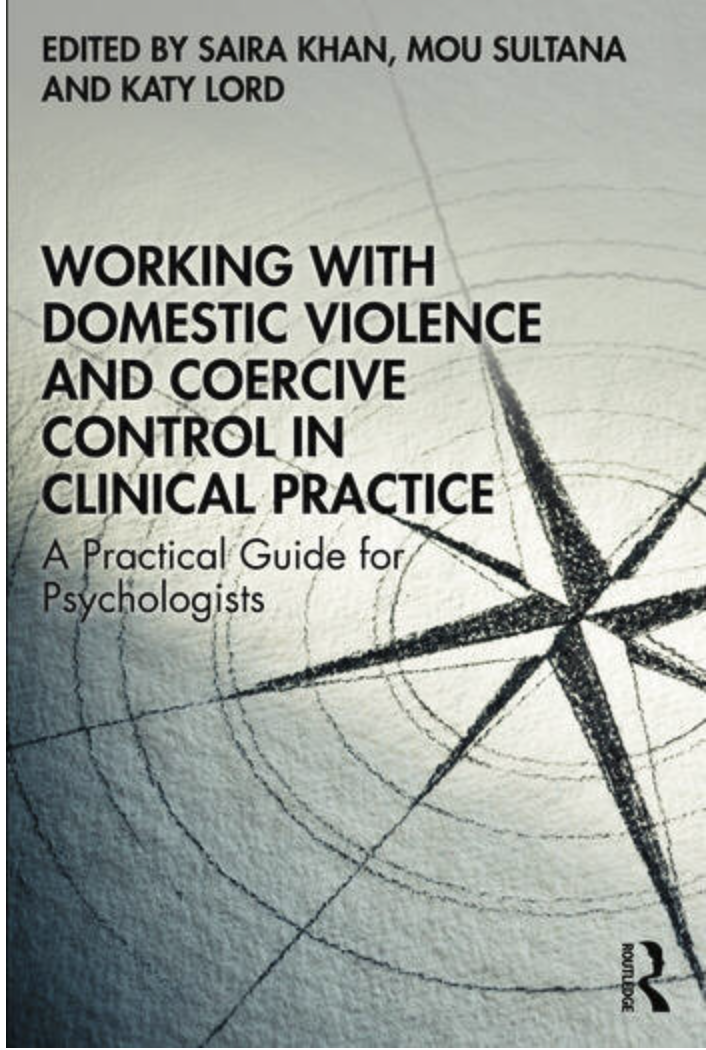
This book equips practitioners with skills and offers a series of actionable recommendations grounded in knowledge of trauma and the impact of coercion, viewed through an intersectional and feminist lens that considers power in relationships and, most importantly, a stance that resonates with survivors. This is key reading for practitioner psychologists and clinicians across disciplines to equip themselves with the latest knowledge, skills, and research in this area to best support the individuals, couples, families, and communities they work with.
“In this collection of essays, Dr Saira Khan and colleagues compose a vital intervention in supporting practicing psychologists to engage with families impacted by domestic abuse. By placing coercive control at the heart of the analysis and exploring the support victims-survivors need, the book offers rich analytical insight. One of the key features of the book is how it explicitly places domestic abuse in a ‘socio-ecological’ lens, capturing how abuse may operate on multiple levels and gain support from numerous societal norms. Given the subtleties and hidden elements of this terrain, the profession needs a sophisticated manual, and this book is precisely that. Every practicing psychologist should have a copy and keep it close at hand.”
Reviews
“The growing recognition of coercive control has prompted much-needed conversations within the mental health field. This comprehensive new guidance provides consensus and clear clinical guidance on how to identify and work effectively with coercive control in therapeutic settings. It provides a ‘light in the dark’ to address treatment inconsistencies and profound ethical concerns associated with the continued oppression and institutionalized harm of victim-survivors. The authors skillfully outline the potential of humanistic, feminist, and trauma-informed frameworks as the foundation for clinical work.”
“A powerful and well-researched exploration of the profound impact domestic abuse has on the lives of victims/survivors. It is an essential read for students and professionals working directly with survivors and those whose roles intersect with the broader field of violence against women and girls. The authors skilfully combine extensive research with clinical expertise and survivors’ voices to create a compelling, informative, and accessible resource. The book highlights the critical role of practitioner knowledge in building meaningful, trauma-informed relationships that support recovery. It offers valuable insights into the systemic dynamics of domestic abuse, with a particular focus on coercive control, making it a vital contribution to the field.”
“This important book fills a critical gap in supporting a deep understanding of coercive control from an intersectional, trauma-informed perspective. It integrates ecological frameworks with practical clinical guidance, offering psychologists essential tools to recognize and respond to the complex dynamics of domestic abuse.”
“What Dr Khan and colleagues have written is a much-needed resource. While it addresses difficult material, it does so with a sense of hope and a clear advocacy for centering the voices and wisdom of survivors and victims. The book recognizes the multifaceted, nuanced, and complex realities of domestic violence and abuse, and highlights the importance of an intersectional lens that engages all parts of society. As a therapist primarily supporting LGBTQ+ clients, I have found the insights within this text invaluable in strengthening my ability to support a community that is often underrepresented.”